
Flooring due diligence, part 1: use, subfloor, wear layer.
The most common mistake when buying a floor happens before the first sample: people pick the decor before they have settled the use. This due diligence turns the order round – four steps to the right floor.
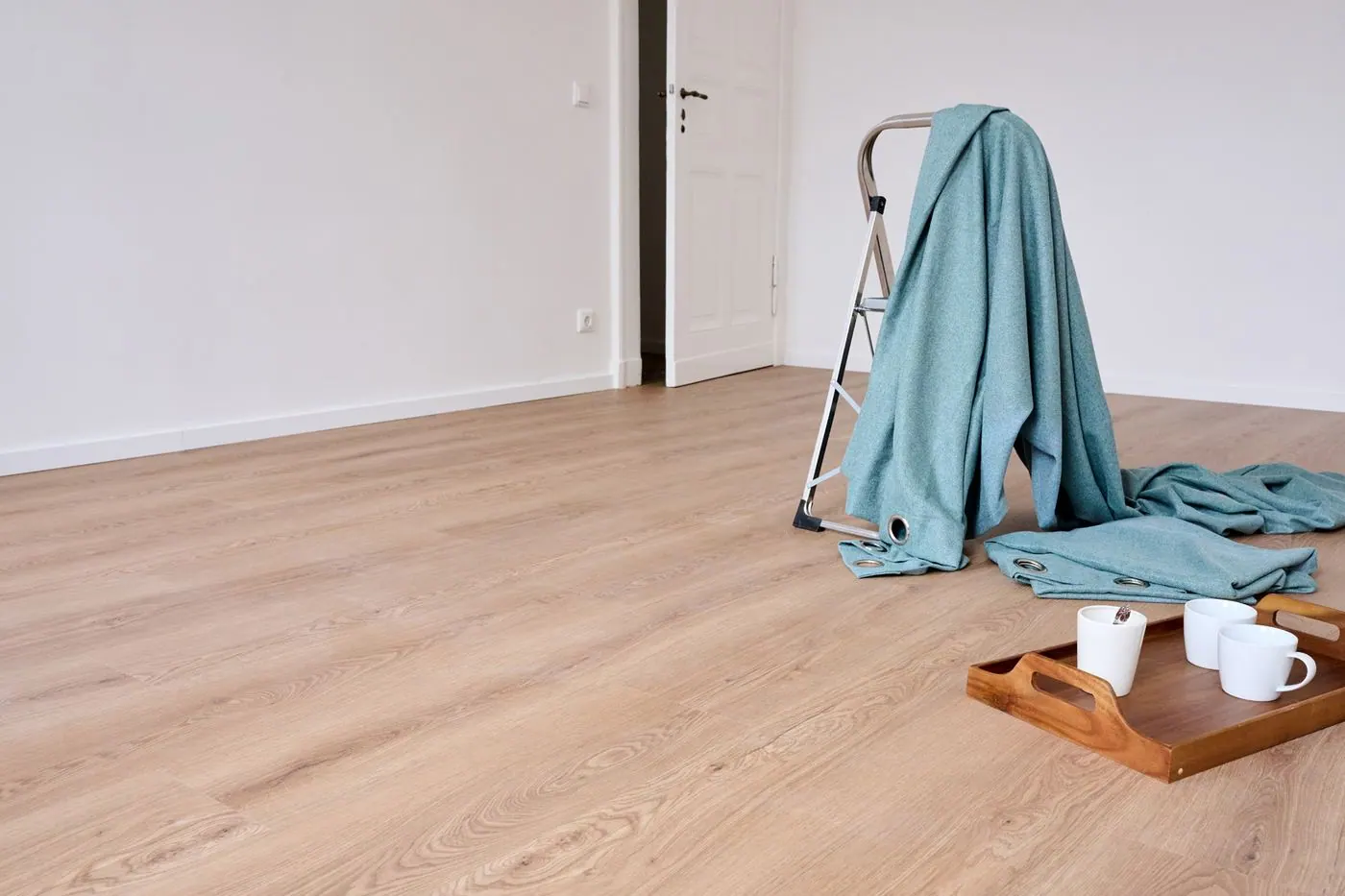
Step 1: Who uses the floor – and for how long?
Before you think about wood or stone, settle your role. It changes what “the right floor” is.
| Your role | What counts | What follows |
|---|---|---|
| Tenant, moving out in a few years | Removable, budget, agreement with the landlord | Click and float, no glue. Laminate or SPC vinyl floors. |
| Landlord, long term | Robust across tenant changes, few repairs, timeless | SPC vinyl floors with a 0.55 mm wear layer and a neutral decor. |
| Owner, living there | Lifespan, feel, lasting value | The material that suits each room – parquet where wood is a must, SPC vinyl floors in kitchen, bathroom and hallway. |
Step 2: Which floor type?
| Floor | Build | Installation | Water | Subfloor | Suits |
|---|---|---|---|---|---|
| Laminate | Wood-fibre board (HDF), decor paper, protective layer | Click, floating | Varies, often splash-resistant only | Level, with underlay | Dry rooms, tight budget |
| Rigid vinyl (SPC) | Stone-based core, decor, wear layer | Click, floating | Waterproof right through the core | Tolerant, often over tiles | Kitchen, bathroom, hallway, families, renovation |
| Glue-down vinyl | Thin vinyl sheets or planks, 2–2.5 mm | Fully glued | Waterproof | Perfectly level: primed, skimmed, levelled | Commercial, large areas, low build-up |
| Engineered parquet | Multi-layer, real-wood wear layer | Click floating or glued | Sensitive to standing water | Level, dry | Living rooms, real wood with reasonable effort |
| Solid parquet | Solid wood throughout | Glued | Sensitive to standing water | Skimmed, levelled | Owners, decades of use, can be sanded many times |
Step 3: Click or glue?
Quick to lay, no adhesive, bridges small unevenness – often about 2 mm over 2 m is allowed, but the manufacturer’s spec decides. Comes up without residue when you move out. Build-up about 5–8 mm.
Very flat (glue-down vinyl 2–2.5 mm), quieter footfall, ideal for large commercial areas. But the subfloor must be primed, skimmed and levelled. Every bump shows through, and the adhesive stays when you remove it.
Rented flat and renovation: click. Commercial with a perfect subfloor, or solid parquet: glue. If in doubt, click.
Step 4: Check the subfloor and the installation
Tiles must be solid and level; wide grout lines get filled. On screed, residual moisture is measured. Floorboards and OSB are screwed down until nothing flexes. Three mistakes from practice can be avoided at the buying stage:
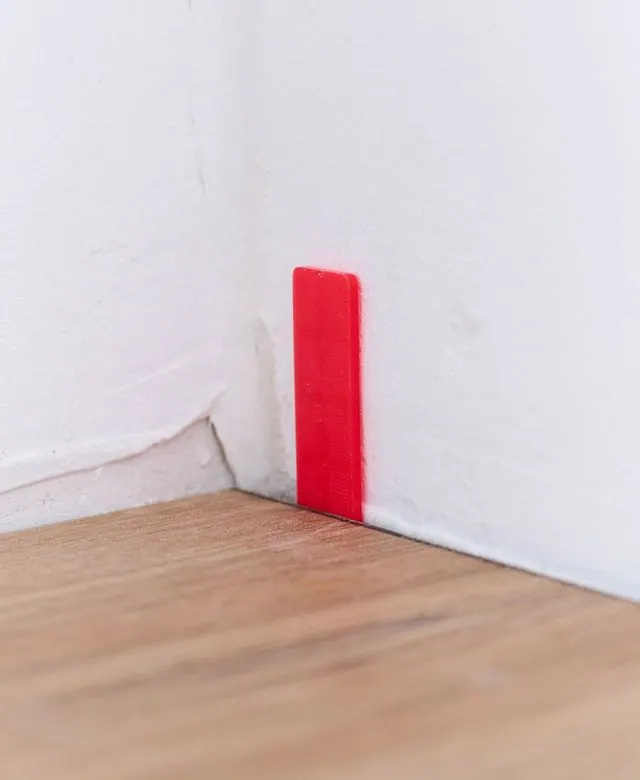
No or wrong expansion gaps
The problem: SPC is known for being stable – but even this floor moves a little. Laid too tight against walls, door frames or heating pipes, it can lift when temperatures change.
The fix: Keep the edge gaps given in the installation guide – especially at walls, doorways and on large areas.
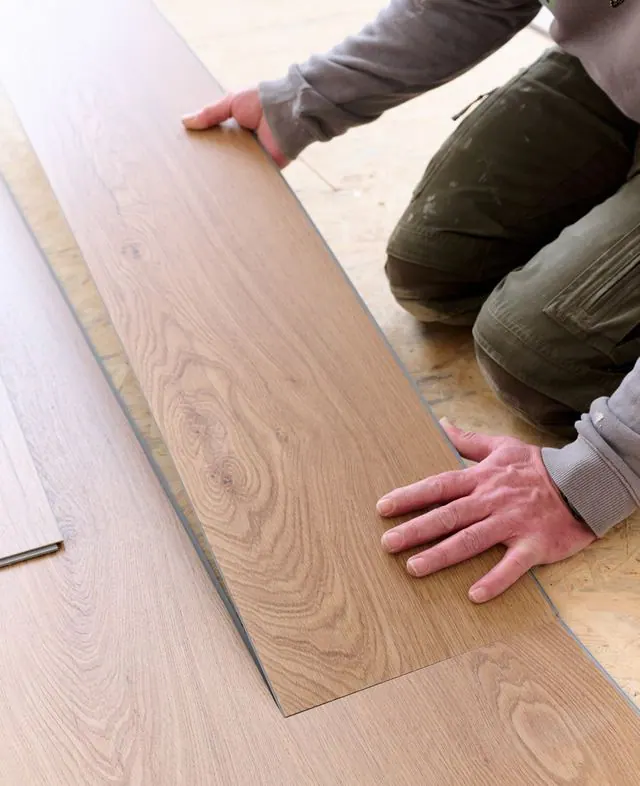
End joints too close together
The problem: When the end joints of neighbouring rows sit too close, weak points form. Click joints can open and the floor looks busy.
The fix: A sufficient offset gives stability and spreads the load evenly.
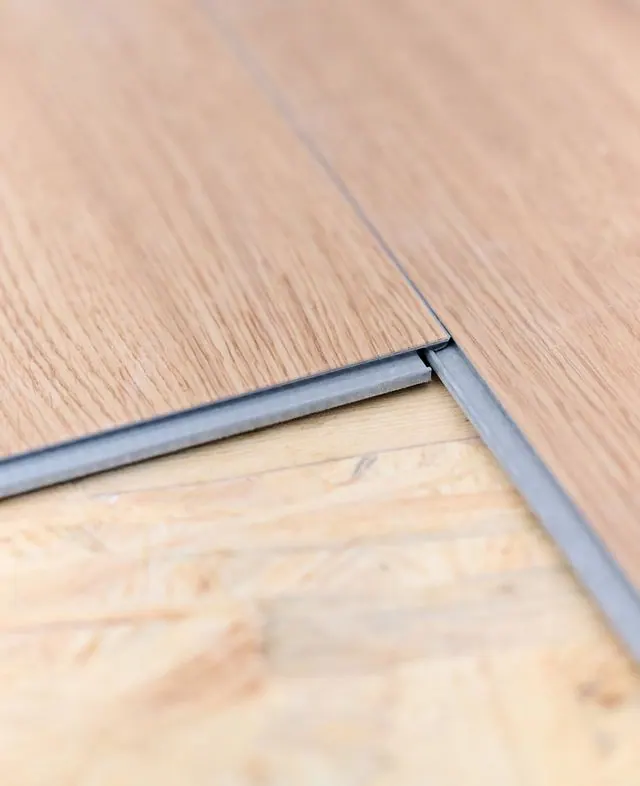
Wrong or too soft underlay
The problem: Underlays that are too thick, too soft or doubled bring movement into the system. The click joints are strained, can break, and the floor starts to flex.
The fix: Use only the underlay approved by the manufacturer. With an integrated underlay, no second one.
The right wear layer
| Wear layer | Suits |
|---|---|
| 0.3 mm | Bedrooms and guest rooms, quiet living rooms |
| 0.55 mm | Hallway, kitchen, kids, pets, rentals, light commercial – COREPEL |
| 0.7 mm | Heavily used commercial areas |
What the wear layer costs and how to spot it on the data sheet: SPC vinyl floors for €15 or €40?
Reading the warranty
- Residential and commercial separately: many manufacturers give much longer warranties for homes than for commercial use.
- What is covered: usually wear through the wear layer down to the decor under normal use – not scratches from grit, furniture without felt pads or water damage from incorrect installation.
- Conditions: installation per the guide, the right underlay, care as specified, keep the receipt.
- Get it in writing: ask for the warranty document before you buy – not after the damage.
Matching floors
 Warm Oak
 Bright Concrete
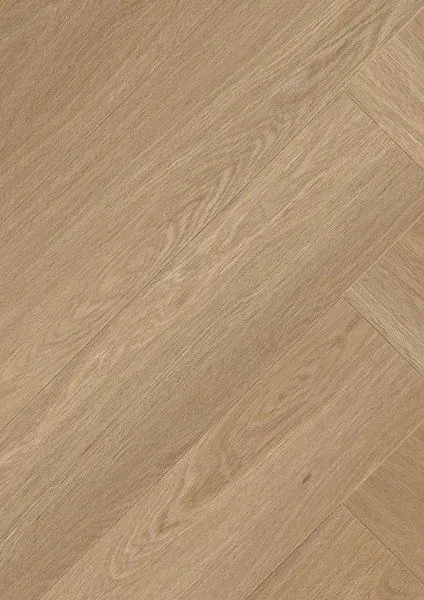 Warm Oak Herringbone
Find your floor in 5 clicks.
Floor Studio shows you the three COREPEL floors that suit your room – and your dealer prepares the quote.
START FLOOR STUDIOFrequently asked questions
Click vinyl or glue-down vinyl in a rented flat?
Click vinyl. It is laid floating and comes up without residue when you move out. Glue-down vinyl leaves adhesive on the subfloor and needs a skimmed, levelled base first.
Does the subfloor have to be levelled before laying?
For glued floors, yes: prime, skim, level. Click floors bridge small unevenness, often about 2 mm over 2 m – the manufacturer’s spec decides.
Which wear layer do I need as a landlord?
0.55 mm is a good choice: the floor copes better with tenant changes and needs replacing less often.
Can I put a second underlay under a click floor with an integrated underlay?
Usually not. Underlays that are too soft or doubled make the floor flex and strain the click joint. Follow the installation guide.